
Tips for State Public Information Officers: Work with Local Agencies to Improve Wildfire Communications
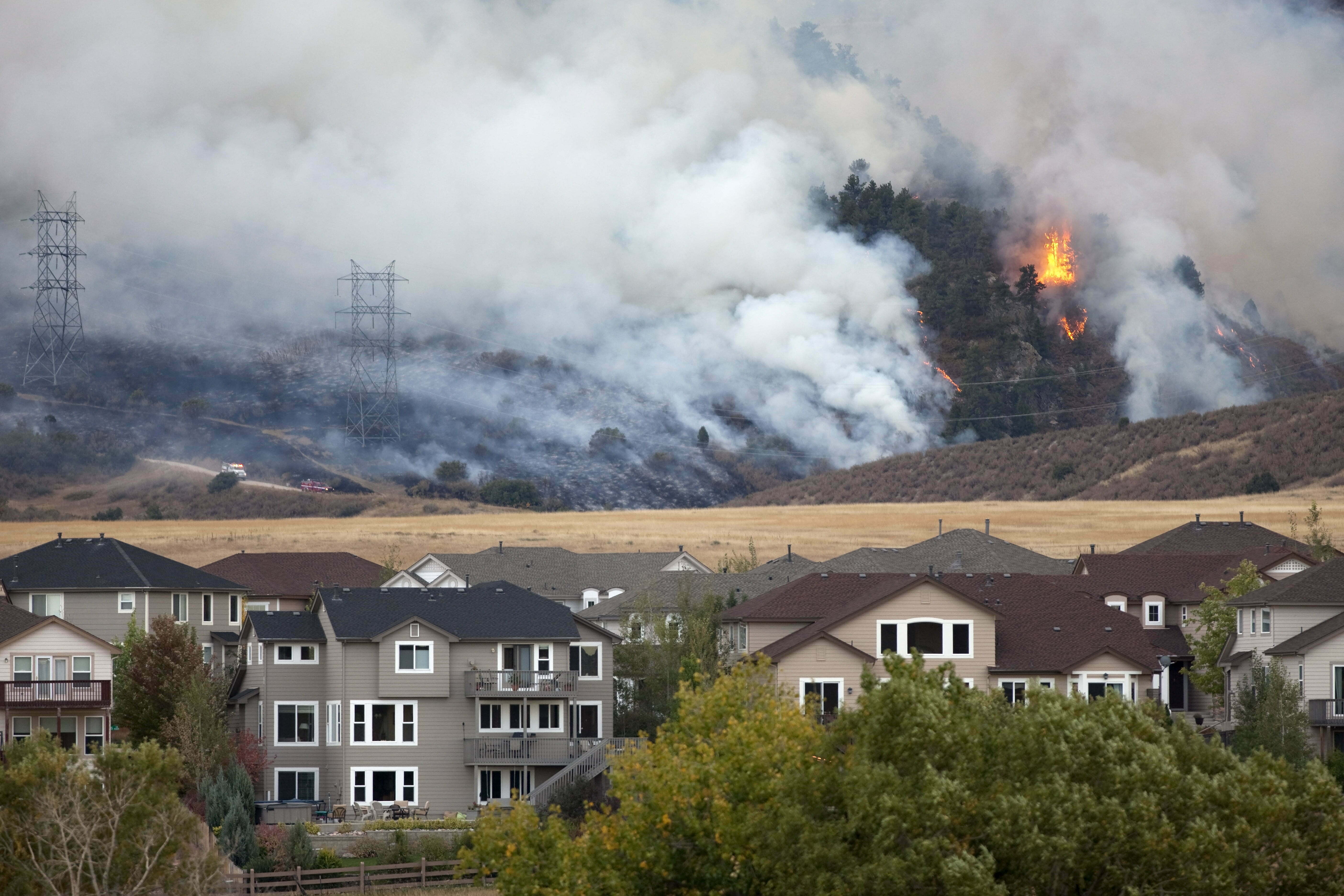
During widespread wildfire events, keeping up with the status of the fire, impacted areas and damage becomes a full-time, round-the-clock job. Use these tips to assist and work with local PIOs and emergency management agencies to improve operations and promote more effective public outreach.
Have a plan for how you will stay up-to-date.
- The governor will request detailed information, like acreage burned and number of people injured, and critical information will also need to be disseminated to constituents in a timely manner throughout the event.
- Encourage local agencies to call in with information, reach out to local agencies for a briefing and monitor local Facebook and Twitter pages for situational information.
Use local social media accounts to monitor the situation.
- Follow social media accounts of local news outlets, local police, fire and emergency management agencies, utilities, elected officials and other leaders.
- Group them into a single newsfeed by creating a “friend list” on Facebook and a Twitter list to group followers on Twitter.
- Monitor both closely throughout the event.
- See directions on how to create a Facebook “friend list” here, and a Twitter list here.
Amplify local agency’s messages by sharing them on the state’s social media accounts.
- During a disaster, help localities – especially those without a lot of manpower – by retweeting and reposting their messages. If they need a PIO or additional communications staff to keep up with social media, help them find one in the area or provide virtual support from the state.
- See more tips from IBTS on actions that can be taken during planning to more effectively use social media during natural disasters.
Coordinate with local media agencies.
- Communicate with local media sources early and often. Ensure you include media outlets that will reach rural communities.
- Organize community meetings with local media outlets and the incident commander before, during and after disasters.
Monitor information regarding recovery, mitigation, available grants and debris removal.
- Rumors can spark false expectations of what FEMA and the state can and cannot provide.
- Monitor social and local media for misinformation, and correct sources when they’re wrong.
Work with localities to get damage reported properly.
- Getting displaced residents to report damage can be challenging, and often times eligible damages to property like timber, agriculture and outhouses don’t get reported. Consider putting state teams on the ground at town halls to help residents with property damage understand the FEMA process.
Help counties host public meetings and recovery fairs.
- Community meetings are an especially effective tool to inform the public and gauge residents’ concerns and points of confusion. Recovery fairs serve as a one-stop-shop for recovery assistance by bringing representatives from all agencies together.
- Help answer questions and boost your agency’s presence by demonstrating recovery actions being taken at the state level.