
Tips for Local Public Information Officers: Work with State Agencies to Improve Wildfire Communications
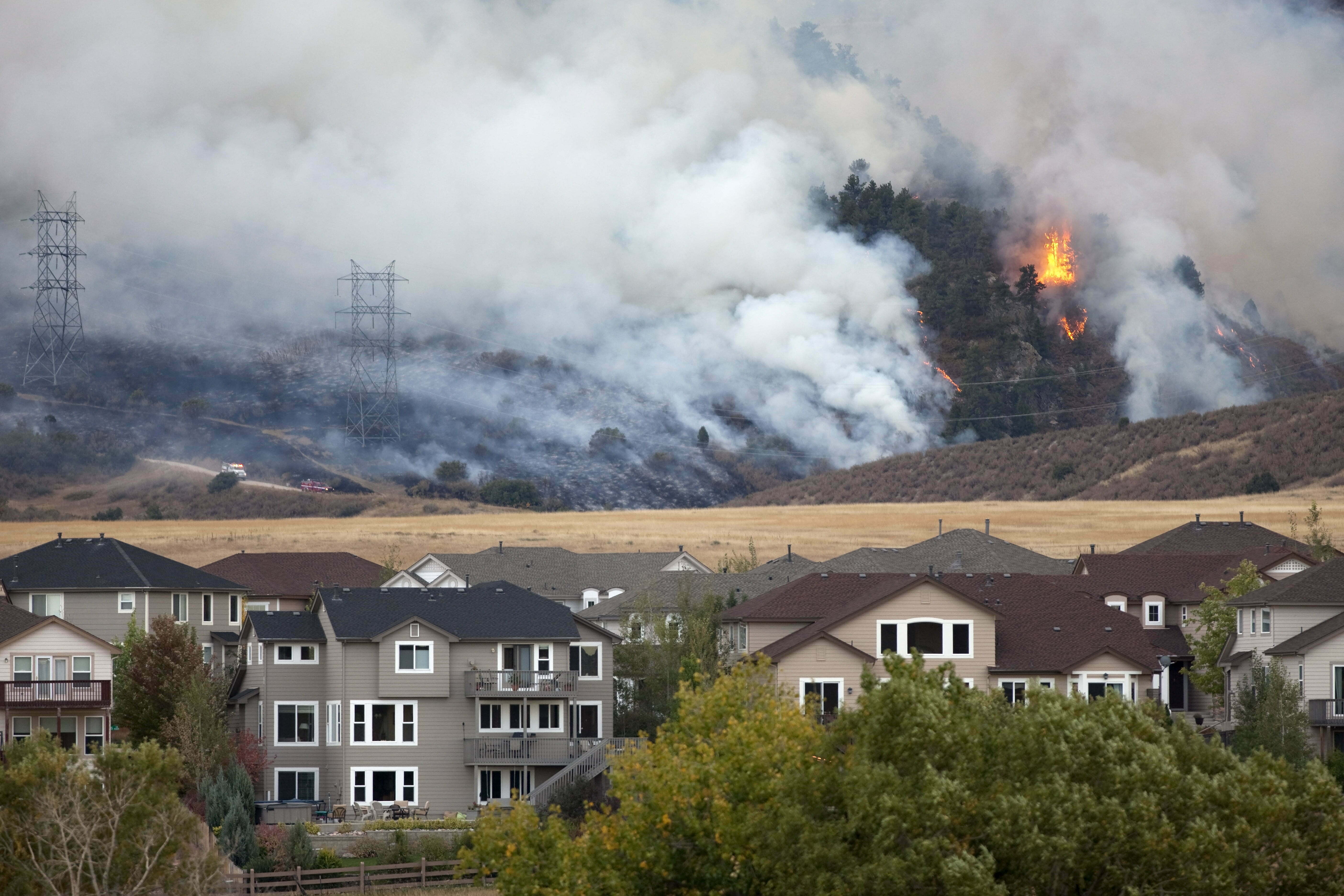
During widespread wildfire events, communicating the status of the fire, impacted areas and damage becomes a full-time, round-the-clock job for public information officers (PIOs). Use these tips to integrate communications assistance from the state into your efforts and maximize the effectiveness of your internal communications and public outreach.
Ask the state for social media assistance if needed.
- The state can help amplify your message by sharing your posts on their social media accounts. Have a plan for how this will work ahead of time so you don’t have to figure out who to call and how to make it happen during an event.
- See more tips from IBTS about building your agency’s social media presence to reach a broader audience during a natural disaster.
Keep constant communication with the state.
- The state will need to report information to the governor, like acreage burned and number of people injured, and can also help spread information critical to your locality. Reach out to them consistently throughout the fire, provide briefings and consider tagging state social media accounts in your posts.
- You can also help amplify state messages relevant to your community by spreading them on your social media accounts.
Hold public meetings and recovery fairs.
- Community meetings allow residents to hear from their emergency management team and voice their concerns. Recovery fairs serve as a one-stop-shop for recovery assistance.
- Consider inviting representatives from utility, state, insurance, FEMA, Red Cross and other relevant agencies to both types of public forums.
Ask the state for help getting damage reported properly.
- Getting displaced residents to report damage can be challenging, and often times eligible damages to property like timber, agriculture and outhouses don’t get reported. Consider asking the state for on-the-ground assistance at town hall meetings and community forums to better explain the damage reporting process.
Set realistic perceptions of FEMA early.
- Residents who incur property losses or damage often think FEMA or the state will write them a check to fix everything. Unreasonable expectations can lead to frustration when aid doesn’t add up to cover their losses.
- Make it clear that FEMA’s role is not to make them whole again.
- Set expectations before disasters strike or at the outset of recovery to avoid taking the blame.