
EMS Disaster Planning Tips
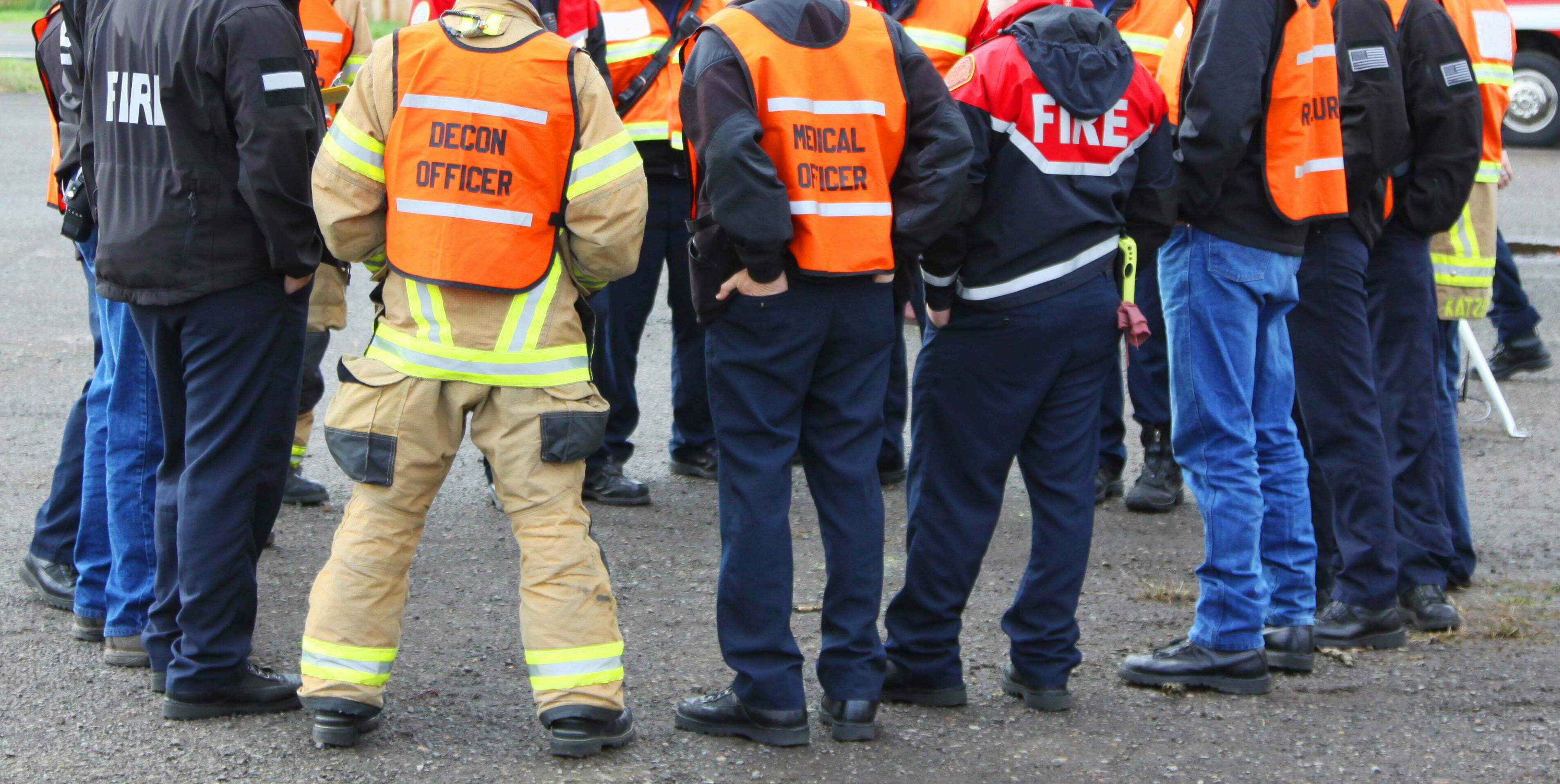
Although EMS training and day-to-day activities will cross over into disaster response, sound planning can ensure familiar tasks don’t get overlooked in the chaos of a natural disaster. IBTS spoke with Ken Parker, retired city manager of Port Orange, Florida, about his experience assisting his local EMS with natural disaster planning efforts.
Take a wide range of FEMA and state provided training.
- In addition to normal training, EMS and fire service professionals should be trained in search and rescue, trench training and other training relevant to community-specific threats.
- EMS should exercise mass casualty drills with emergency management at least annually. Run tabletop exercises and simulate real disasters to build repetition so response becomes second-nature.
- See more about FEMA’s national emergency responder credentialing requirements and the training required for specialized EMS positions.
Make sure you assign a qualified staff member to run the dispatch center.
- “The dispatch center almost always gets overwhelmed, and someone is going to have to triage the calls,” Parker says. “This needs to be an EMS professional because they are the ones that can evaluate the calls and prioritize which requests are most urgent to respond to. We always have our EMS manager in that position.”
- Don’t underestimate the importance of this role; “It’s usually written into locality’s EOPs, but a lot of times they forget until the dispatch center is calling them and saying “‘we’re backed up and we need help,'” Parker says.
Have a cross-departmental communications plan, and don’t forget to close the loop in communication.
- All information needs to be communicated up the chain of command to the EOC and back down again to the EMS team. If you’ve exhausted your resources, for example, notify the EOC so they can call in additional resources or assist in developing a plan if external resources are unavailable.
- Have a system in place for keeping all local departments and stakeholders informed, and staying informed by them. Public works, for example, must communicate road closures and available routes in order for EMS to respond.
Don’t overlook proper documentation in the chaos of disaster.
- Although EMS professionals are accustomed to documentation and filing reports, don’t overlook these tasks under duress during disaster response. Be prepared for increased intensity when it comes to paperwork, and be sure to complete it if you fall behind. Be prepared with proper and detailed documentation in the case that FEMA requests an audit.
- Make sure paramedics keep detailed records of any drugs administered — what was used, why it was used, the specific run, address or specific person treated.
- Make sure to inventory your resources, such as vehicles, who’s driving them and the routes they took.
Trust your EMS manager.
- “You need to know that your manager is going to support you and do everything they can to get the resources you need to respond properly,” Parker says. “There’s got to be a sense of mutual trust”