
EMS Tips: Prepare for the Emotional and Physical Stress of Disaster Response
Emergency Medical Services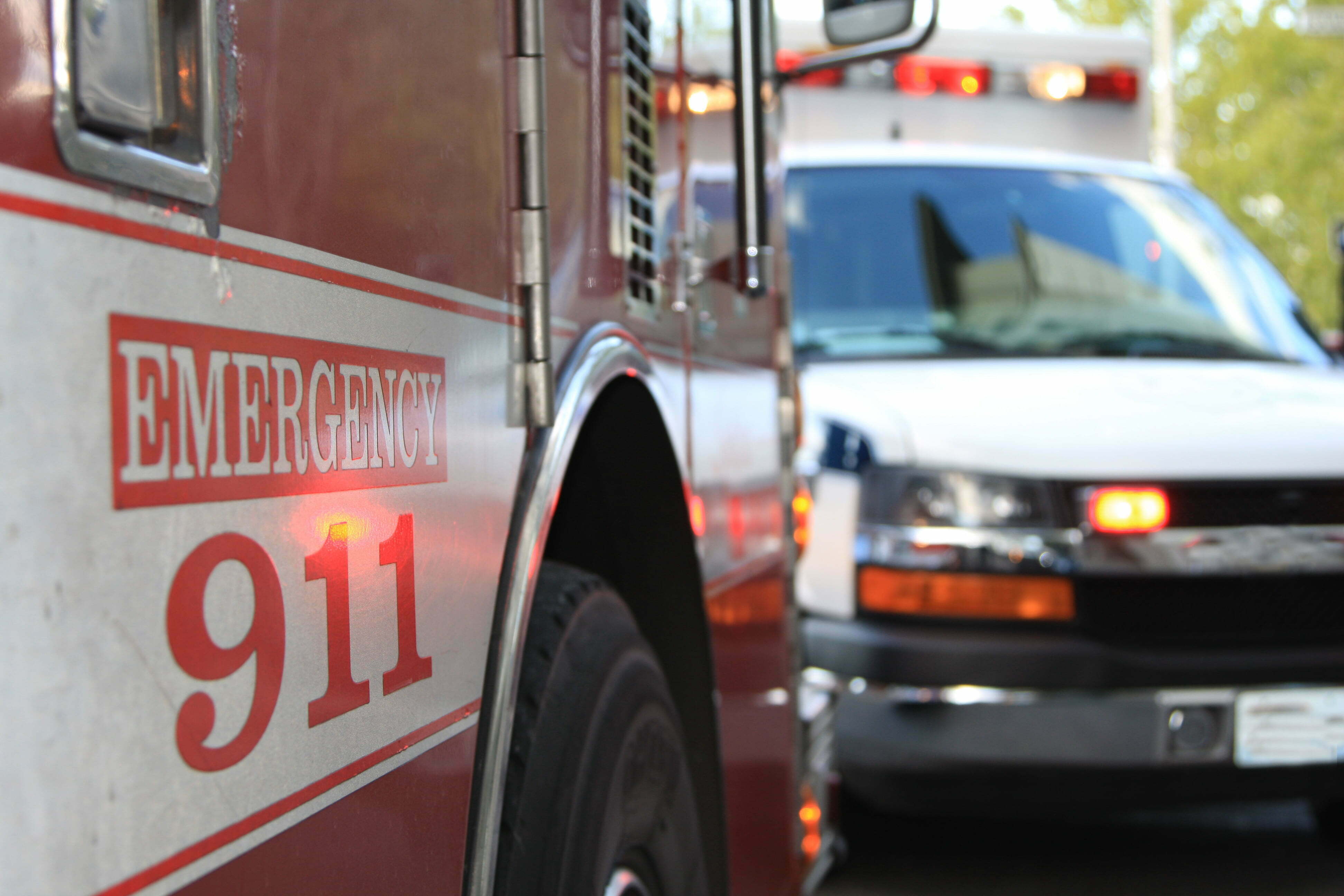
Although EMS professionals deal with injury and death on a daily-basis, many are caught off-guard by the emotional and physical intensity of responding to natural disasters.
Below, retired City Manager of Port Orange, Florida, Ken Parker provides his advice to EMS workers based on his years of experience working alongside EMS professionals to navigate immediate disaster response efforts.
Be prepared to cope with the emotional and physical intensity of disaster response.
- Have a personal coping mechanism for how to handle the impact of the disaster on you and your family, in addition to the stress from responding to family, friends and neighbors impacted by the disaster.
- EMS managers and supervisors need to monitor fatigue in EMS workers closely to prevent exhaustion from leading to medical errors.
Have a scheduling plan and assure it is attainable.
- EMS workers typically work a 12-on, 12-off schedule to meet response needs during a natural disaster, but unlike day-to-day work, EMS staff will likely be engaged the entire 12 hour shift. There will likely not be any downtime or off-days during disaster response.
- Exercise and review your disaster response schedule — even if it’s written into your emergency operations plan (EOP), it may be several years before it’s implemented. Make sure staff are aware of the disaster schedule and know what to expect when a disaster strikes.
Have a plan to provide stress relief and basic needs to EMS workers and their families.
- “Make sure you have incident debriefing teams available to help manage stress and give EMS staff a chance to talk about what they just witnessed or what they just are witnessing,” Parker says.
- Consider working with your city manager or emergency manager to provide massage therapists, animal therapy and other forms of stress relief to keep morale high.
- Don’t forget the little things — partner with local charitable organizations or seek assistance from the city or county to make sure EMS professionals are well-fed, hydrated, have a place to shower and other essential needs.
Provide assistance to EMS workers and their families.
- Make sure EMS team members have time to be with their families at the end of each shift. Consider providing workers and their families dinner each night throughout response. Oftentimes, the city or a local nonprofit or charitable organization will assist in providing meals.
- Work with your city manager or parks and recreation department to provide childcare services to EMS professionals and their families. Disaster plans often overlook childcare services for responders and their families, but it’s essential as many EMS professionals have spouses in the field or that are also needed at work.