
Experience Gained: Volunteer Communication
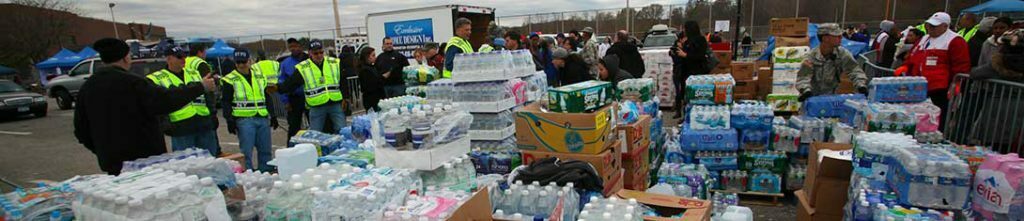
Volunteers are one of the most versatile and cost-effective resources in disaster response and recovery, however they come with a big caveat – when not managed properly, they can escalate an already dangerous and chaotic situation by overwhelming first-responders and putting themselves and others in danger. Public information officers can play an important role in helping to manage volunteers by keeping them informed on the emergency situation and volunteer needs.
In this article, IBTS subject matter experts and community emergency management professionals share their experiences and lessons learned from on-the-ground-experience responding to a disaster event in the small western Virginian town of Pulaski. In 2011, Pulaski County, Virginia, was devastated by two successive tornadoes that ripped through the town and caused severe damage. Volunteers were a key component of the county’s response and recovery efforts; this could not have been possible without an effective volunteer communication strategy.
A Clear and Effective Communication Strategy
A clear and effective communication strategy to reach volunteers with important messages is one of the most effective methods to manage volunteers and prevent escalating an already chaotic emergency situation. In the immediate aftermath of a disaster, community members and trained volunteers will flock to the damaged site to help, even if volunteers are not yet needed or the situation is still dangerous. The goal immediately after disaster is to kick-start operations of volunteer organizations and affiliated volunteers, while preventing community members from self-dispatching. Public information officers must spearhead communication strategies in the planning stage and be ready to quickly send messages to avoid problems after disaster strikes.
Neal Turner, emergency services coordinator for Montgomery County, VA, stresses that communicating with volunteers to let them know when they’re not needed is a message all localities should be prepared to send to the community. Untrained, spontaneous volunteers can put themselves and others at risk if they begin self-dispatching into insecure areas – their presence can overwhelm first-responders and already limited resources. In “Disaster Related Volunteerism: Best Practices Manual Based on Lessons Learned from Hurricanes Katrina and Rita,” Greater Volunteers of America New Orleans recommends that when the need arise to keep self-dispatching volunteers away, communication should make it “clear that the desire to volunteer is appreciated, but the disaster area is still dangerous and their presence will hinder the capacity of local organizations.”
Conversely, once volunteers are needed, the public information officer should be prepared to send messages about when, where and for what volunteers are needed. “Ongoing press conferences to advise on the type of volunteer needs and shape the media angle on volunteers is a vital part of disaster recovery,” Turner says.

Messaging Platforms
Turner suggests that public information officers communicate clear and specific needs with the media with messages like: “We need carpenters starting Thursday,” or “We don’t need water, what we need now are shirts, boots and rain jackets.”
Beyond the actual content of these messages, public information officers also need to plan for how they will communicate with volunteers. If cell service is intact immediately after disaster strikes, social media is one of the best strategies for sending short yet effective messages. If unconventional methods of communication – cell services, landlines and internet – are unavailable, then consider creative solutions, such as asking faith-based organizations to help communicate messages out to the community.
Over the long-term, having a dedicated and easily-updateable website is a useful platform in communicating with volunteers. Blogs can be used not only to get volunteer needs, but also to keep volunteers engaged throughout the recovery process.
After the Pulaski tornadoes hit, county officials implemented several different platforms to communicate with volunteers. They created a Tumblr blog page to post important notifications on the current state of disaster and what supplies and volunteer needs were most important, as well as a website, Pulaski Tornado Information, with similar reports. Messages and photos about meal and shelter sites, safety tips, distribution centers, monetary and long-term donations and volunteer needs could be found on the blogs. For example, on April 13, five days after the tornadoes hit, Pulaski County posted a message on Tumblr titled, “How You Can Help,” requesting monetary donations and encouraging volunteers to affiliate with a volunteer organization to avoid “complications during the recovery process.”
Inter-Agency Communication
To avoid sending mixed or unclear messages, public information officers should coordinate with all agencies involved in volunteer management in the planning stage to ensure that every organization is sending consistent messages to the media and volunteers. It’s important to remember that the media may seek information from unreliable sources if elected officials or emergency management professionals can’t respond, which can result in reporting of inaccurate information. Keeping all stakeholders and entities on the same page when it comes to volunteer needs and instructions can help to employ the media as an advantageous resource – not a setback.
Pulaski, a town of 10,000 located in Pulaski County Virginia, was hit with two tornadoes on April 8, 2011. The larger of the two left a path almost two miles long and 440-yards wide with winds estimated at 125 mph. Combined, the tornadoes damaged more than 400 homes in Pulaski and nearby Draper, and caused an estimated $8 million in damage to residents, devastating the small town.
“It’s very unusual and unexpected to have a tornado in the mountains,” says Neal Turner, Montgomery County emergency services coordinator. “Emergency and disaster response personnel in the area knew very little about tornadoes.”
Bob McDonnell, governor of Virginia at the time, declared a state of emergency on April 9, but FEMA denied the county’s request for assistance. The majority of first-responders were affiliated volunteers from local disaster response organizations, including the Red Cross – who set up an emergency shelter at Pulaski Elementary – and relief workers from Virginia Voluntary Organizations Active in Disaster (VOAD) and local churches.
Unaffiliated, or self-dispatching volunteers, were also onsite ready and willing to help after the disaster.
“Volunteers can be a saving grace in disaster recovery,” Turner says. However, it is important to understand what they can offer beyond good intentions. Self-dispatching volunteers “who come with limited skills and training and no knowledge of risks or hazards can clog up recovery,” says Turner.