
Tips for City Managers: Communicate with Utilities Early and Often
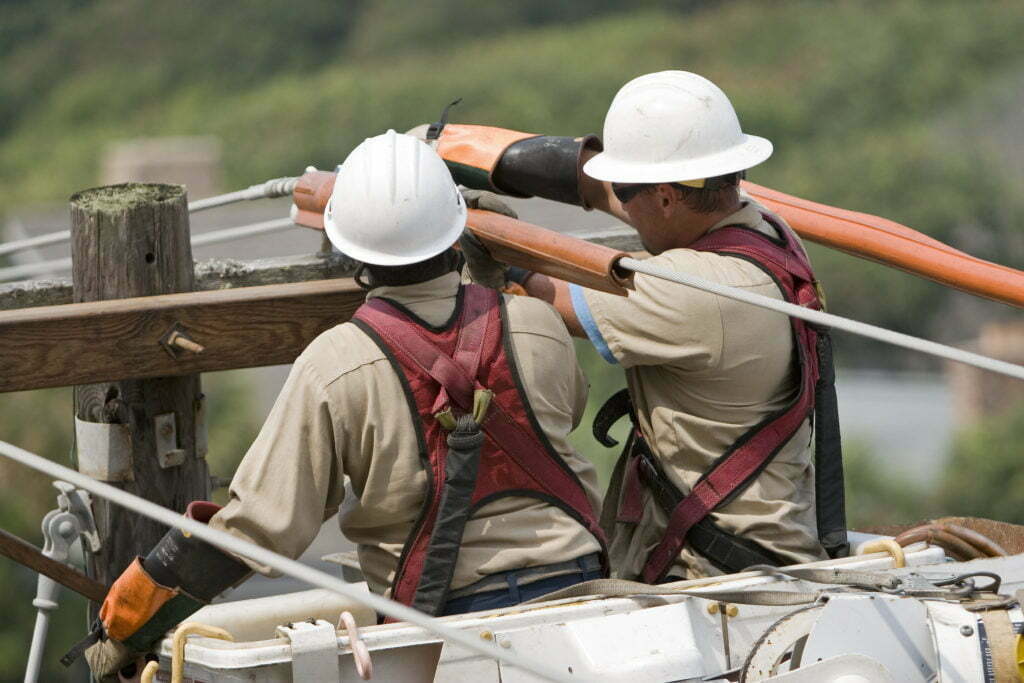
During a weather-induced long-term power outage, communications with utility companies often present one of the biggest challenges for local leaders and municipal agencies. City managers can leverage their leadership position to facilitate communications between municipal departments and the utility during a power outage; use these tips to build and maintain a relationship with the local utility that allows for an open flow of information at all stages of the disaster timeline.
Maintain a relationship with utilities before and between disasters.
- People, personnel and expectations need to be well-known. The first time you speak with the leaders of your local utility should not be in the middle of a power outage.
Facilitate disaster planning between your locality’s emergency management agency and your local utility.
- Ensure that your locality has shared their emergency operations plan (EOP) with the utility and reviewed the utility’s plans before a disaster.
- Have a clear understanding of the utility’s expectations before a disaster – the resources they can provide to you and the assistance they expect from you.
Be aware that your non-emergency points of contact in the utility may not be available during an emergency.
- Your non-emergency point of contact may have a role in the utility’s EOP; know this ahead of time, identify your disaster contacts and build a relationship with the contact that will assist you directly during a power outage.
Ask your public utilities commissioner (or the public utility regulating agency) to assist with communications between your locality and the utility.
- Because the commission oversees utilities, they may be able to better manage requests for information, such as restoration estimates for power or critical infrastructure.
Cross-check your special-needs population list with the utility’s special-needs registry regularly.
- Work with emergency management to share or establish a special needs population list for your locality.
- Ask a medical professional to assist with prioritizing the list so residents most at-risk get the most immediate attention.
- Make sure your special needs registry is cross-checked regularly with the utility’s list, even when no disaster is in sight.
- Have a system in place for the utility to provide constant status updates on special needs residents throughout the power outage.
Work with your utility to prioritize their critical infrastructure restoration list.
- Utility companies are required to keep a critical infrastructure list, which includes facilities such as hospitals, nursing homes and facilities to support first responders. Facilities on the list take priority for power restoration. Review the utility’s list ahead of time and provide feedback to ensure the list is prioritized based facilities’ importance.
- Identify “single point of failure” items – like a major sewage line – that need immediate attention during an event. Make sure local leadership stays up-to-date on the status of critical infrastructure throughout a power outage.