
Tips for Construction Contractors: Working with CDBG-DR Homeowner Applicants
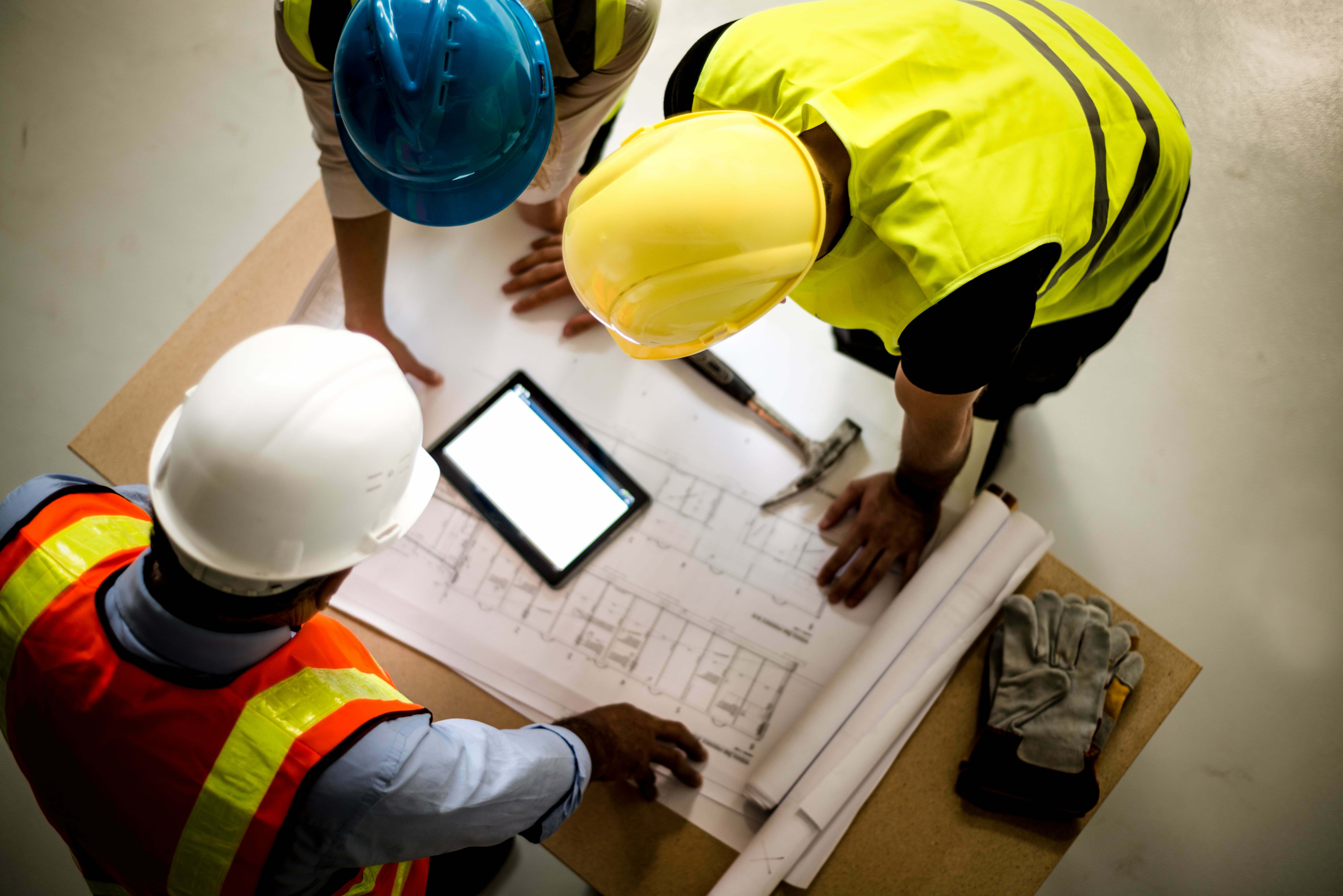
Unlike typical construction projects, performing disaster recovery work under HUD’s Community Development Block Grant Disaster Recovery (CDBG-DR) program comes with scope of work, time and funding constraints in order to maintain program compliance. Be sure you and your subcontractors have a clear understanding of CDBG-DR program requirements prior to communicating with homeowner applicants or commencing any work under the program.
Make sure you and your subcontractors have a clear understanding of the scope of work.
- Provide subcontractors with a copy of the scope of work, and make sure they understand what work they can and cannot perform under the scope of work. Unlike a normal project, you can’t add requests to the plan – you will be penalized for performing work outside the scope and slow down the entire process.
Don’t take on extra work requests from homeowners.
- Homeowners often request extra work to be performed, such as adding on a back patio. It can be hard to say no, but providing services outside the scope of work can cause compliance issues, while also slowing down the process by delaying construction on other homes. Likewise, you likely will not get paid for this work.
Avoid communicating with homeowners directly.
- Construction contractors should never be the ones to say, “No,” to applicants. Instead, instruct homeowners to call their case manager, the construction manager, or the program administrator if they have questions during the construction process.
Maintain communication with the construction manager, case manager and homeowner.
- Communication is critical to ensure coordination from the benefit selection process through final inspection. It helps avoid construction delays and avoid compliance issues, while setting realistic homeowner expectations every step of the way.