
Tips for Emergency Managers: Preparing Homeowners to Weather the Storm
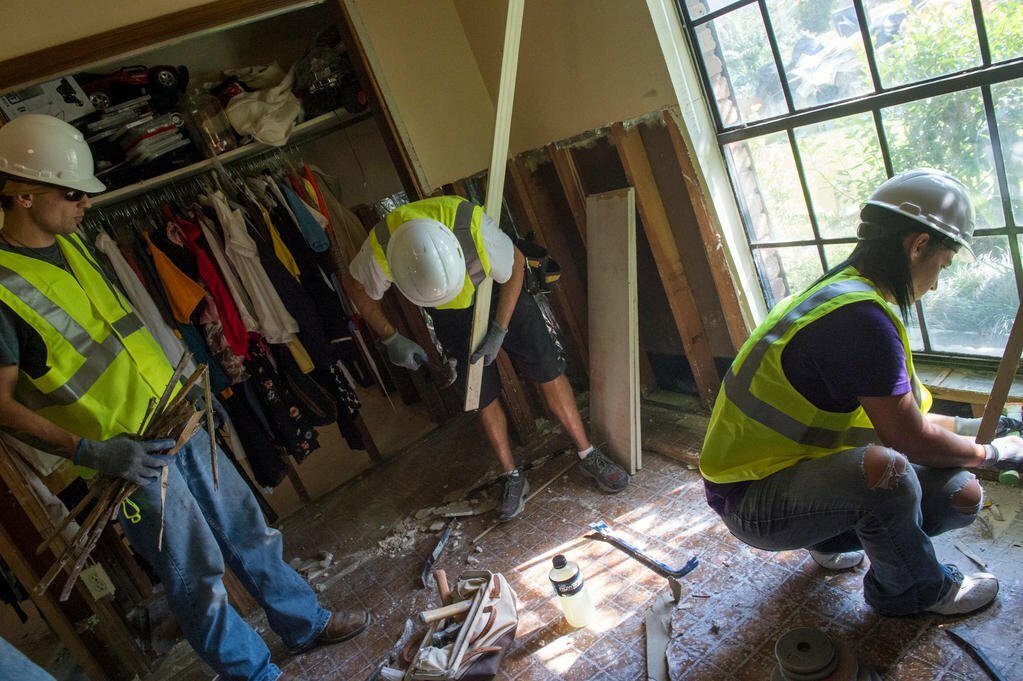
Contractors in East Baton Rouge, LA, remove debris from a home damaged in the August 2016 flooding that left thousands of residents with substantially damaged or uninhabitable homes. Photo Courtesy of FEMA.
Returning home after weathering a natural disaster is not always a simple process for residents. However, providing homeowners with information on post-disaster repairs and reconstruction before a disaster hits can help residents in your community return to their homes as quickly and safely as possible.
These tips are intended to help emergency management agencies ensure homeowners in their community are prepared for post-disaster reconstruction with the required legal documentation and insurance information for their home.
Ensure homeowners know the importance of being informed on their home’s characteristics and where to find this information.
- This includes the flood zone area, fire district, or other natural disaster classifications for the home.
- Direct residents to your local building department’s website and FEMA’s flood zone map to find this information, and consider posting these links on your agency’s website.
- Hold public forums, issue flyers and use other public service announcements to communicate this information with homeowners.
Help homeowners understand the details of their insurance coverage.
- Many homeowner are not aware that homeowner’s insurance policies do not typically cover flood water damage.
- Encourage homeowners to purchase flood insurance even if they are not required to do so. This can prevent post-disaster home repair costs from becoming too expensive and also allows homeowners to make a claim even if a presidential disaster declaration is not made.
- Hold information sessions to explain the details and requirements of the National Flood Insurance Program (NFIP).
Inform homeowners of the legal documentation needed to begin post-disaster repairs and reconstruction.
- This includes the up-to-date certificate of occupancy, homeowner’s or weather-specific insurance policies, insurance agent’s contact information, and a copy of the most recent home appraisal.
- Suggest that homeowners maintain digital copies and hard copies stored in a waterproof location.
- To be eligible for CDBG-DR assistance, homeowners will also be required to present their homeowner’s and flood insurance claims and benefits information, in addition to other disaster recovery assistance notifications, such as their FEMA assistance acceptance, appeal or denial letters.
Set clear expectations on the post-disaster repair and reconstruction process.
- Make sure homeowners know that their homes may not be able to return to their pre-disaster state due ordinances implemented as a result of the disaster such as elevation requirements.
- Be sensitive to homeowners’ emotions over their damaged property.
See Advice for Emergency Management Agencies: Prepare Homeowners to Weather the Storm for more advice from IBTS experts who worked with homeowners through the repair and reconstruction processes after Hurricane Sandy.