
Tips: Managing Homeowner Expectations During Initial Damage Assessments
Homeowner Expectations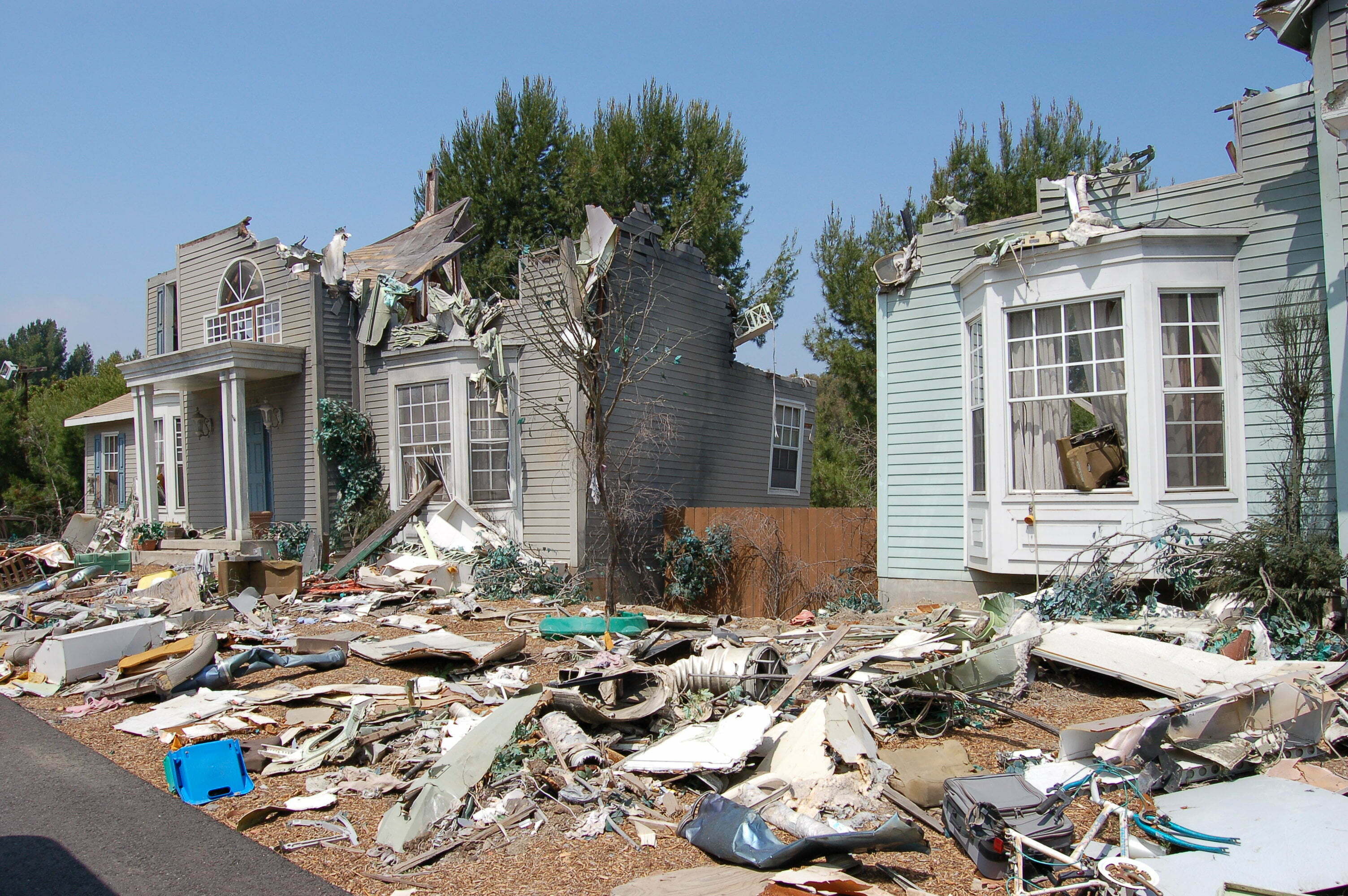
Have a Plan and Share it with the Community
- Publicly communicate the plan the local government has in place for initial damage assessments – community members want to know that you won’t arbitrarily pull together a damage assessment team when disaster strikes. Have designated, trained officials prepared to conduct damage assessments, and let the community know who these individuals are.
- Make your initial damage assessment action plan available to the community. Provide an estimated timeline of when damage assessors will get to specific neighborhoods and communities, and consider making maps available on your locality’s webpage or social media accounts. Don’t make promises of when assessments will be completed, the process can take longer than expected.
Educate the Community Before and After a Disaster
- Educate the community when training elected and appointed officials on post-disaster damage assessments – which should occur at least annually and before the start of the disaster season. Hold public forums or dedicate a town hall meeting to provide an overview of the damage assessment process to homeowners.
- Remind property owners keep their insurance policies and information in a safe, well-identified location that can be accessed after an incident. After a disaster, many residents either can’t find their insurance policies or they get destroyed in the disaster.
- Make sure homeowners know the first step in the damage assessment process is reporting disaster related damage to their insurance company. They also need to report damage to local emergency management, and should be encouraged to provide as much information as possible about damage to their homes and neighborhoods.
- Remind homeowners to report damage to outdoor property, such as timber, agriculture and outhouses — the locality needs to account for every dollar of eligible damage to make sure they qualify for assistance.
- Take advantage of the opportunity to educate individual homeowners about the process when going door-to-door to conduct a preliminary damage assessment. Make sure homeowners understand that they still need to apply for individual assistance if made available; homeowners often interpret reporting damage as registering for FEMA assistance.
Remind Homeowners to Document Everything
- Use local media and social media, radio, your locality’s website, flyers and any other forms of communications available to remind community members to document and photograph any and all damage caused by the disaster.
- Homeowners should save all receipts for any disaster-related expenses, such as temporary housing costs, cleaning supplies, repairs and food; create a list of major utilities, appliances, furniture and personal property that have been damaged; and take photos of damaged furniture and appliances before they are removed from the house. They will need to provide these records to FEMA and their insurer.
- Encourage homeowners to take pictures of debris with their home and house number in the background.
communications