
Disaster Planning Tips for Seasonal Disasters
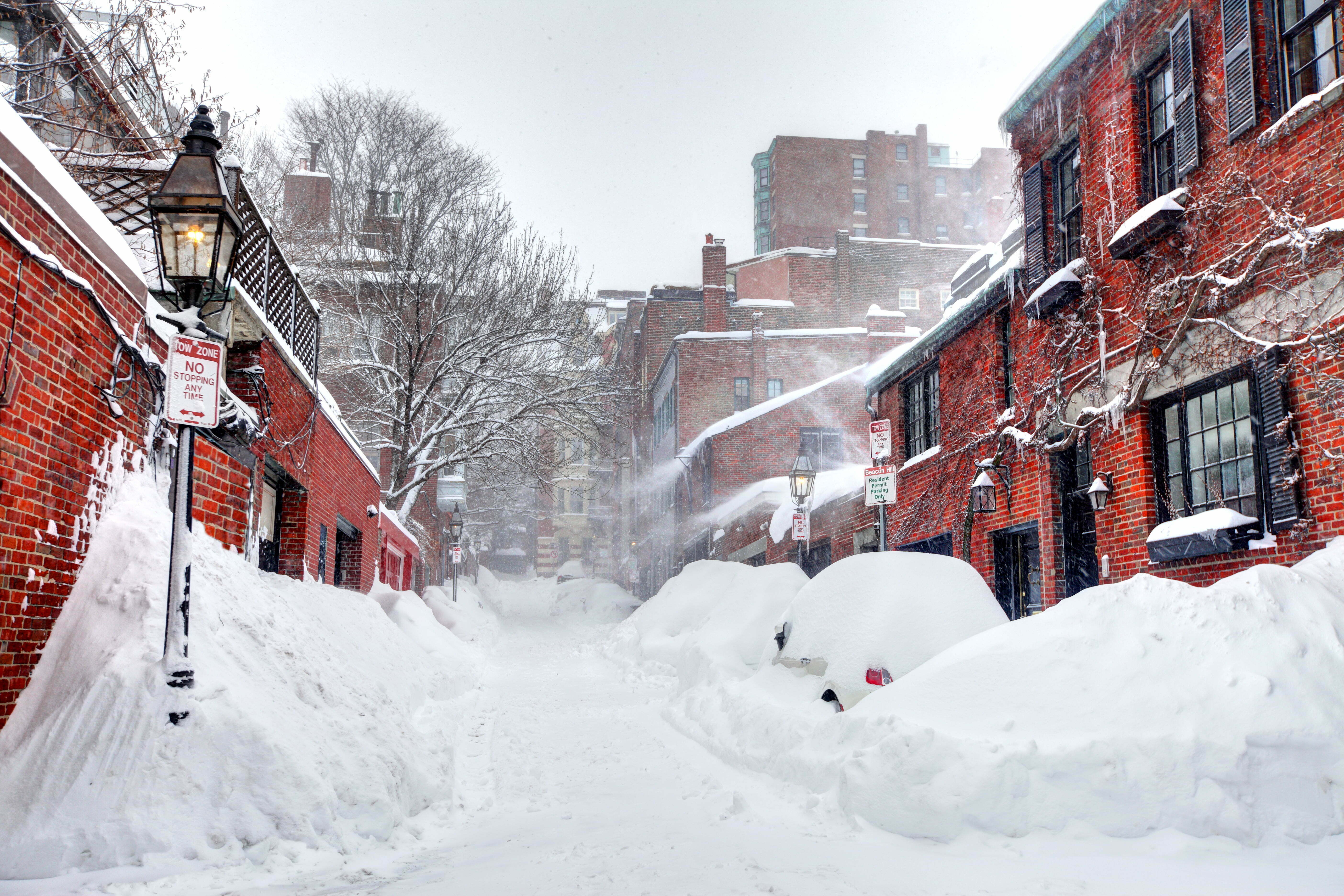
Natural disasters often strike with little warning. However, if your locality is in an area that experiences disasters in a particular season (such as hurricanes or severe snowstorms), taking a proactive approach to disaster planning each year as the season approaches can make a noticeable difference in your ability to respond and recover if a disaster does strike. Follow these tips to help you prepare.
A Few Months Before Every Disaster Season:
- Revisit and revise disaster plans, examine new technologies and best practices.
- Make sure that contact sheets for external and internal stakeholders are up-to-date. Reach out to any stakeholders who your department has not had regular or recent contact with, as well as any people who are new to the stakeholder role. Review agreements, memorandums of understanding (MOUs), and ensure that everyone knows their role. Now is the time to strengthen relationships, address concerns and identify misunderstandings.
- Build a relationship with the a local National Weather Service Office during the off-season and determine what resources they can provide. Local offices can often provide the most accurate predictions for the region, and also answer questions specific to your locality.
- Review staffing. Ensure that all staff know and understand their roles and responsibilities in a disaster. Review department policies with all staff members, particular new staff or those who have little or no disaster experience. Identify any gaps in staffing, how these gaps may impact disaster response and recovery, and how to addresses them.
- Review staffing a few months prior to the start of the disaster season each year. Train new and existing staff members.
- Conduct tabletop and full-scale exercises that involve each department involved in disaster response and recovery.