
Tips: Take Advantage of Regional Disaster Training Assistance
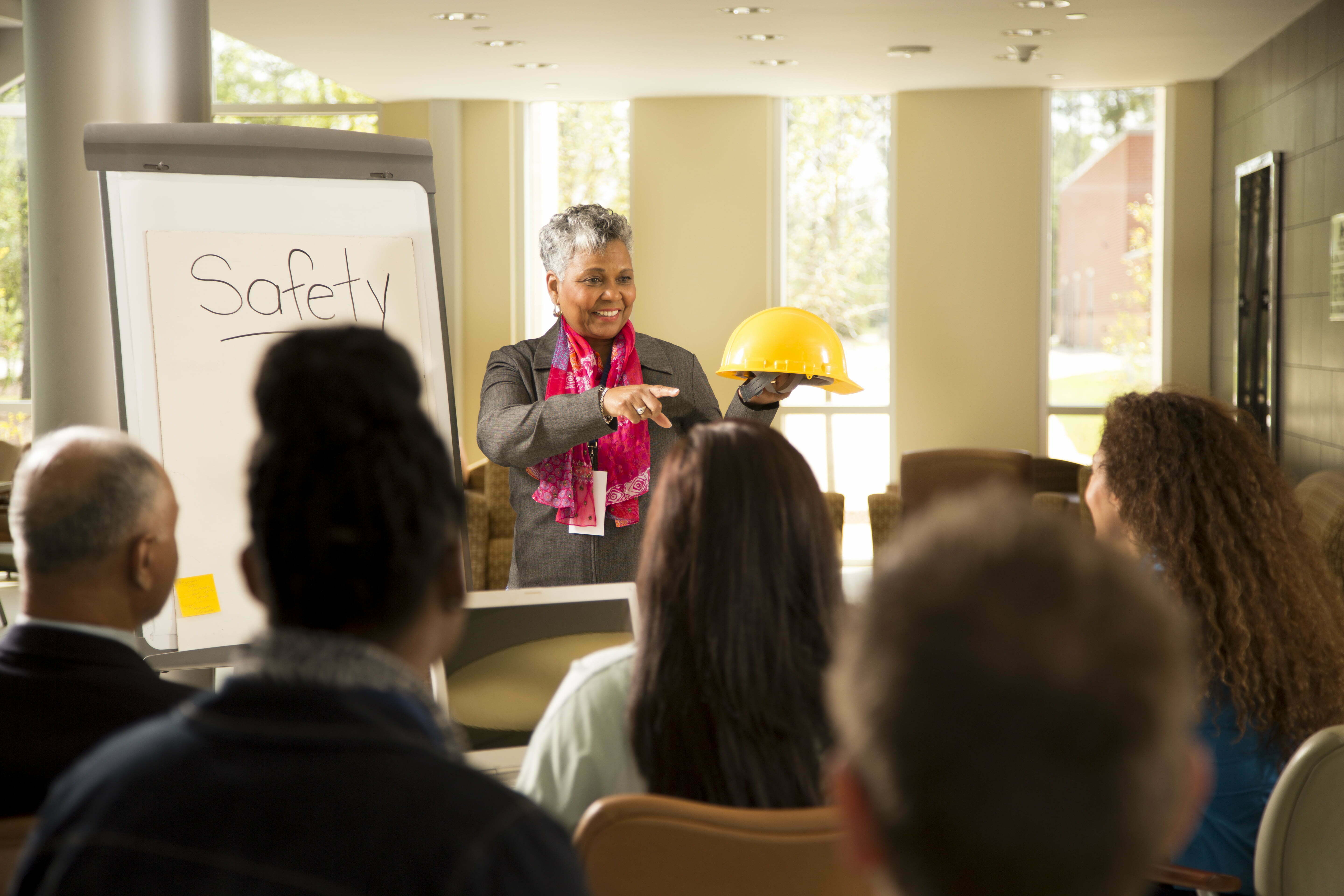
State emergency management agencies (EMAs), regional FEMA offices and surrounding jurisdictions can serve as useful resources to supplement your locality’s disaster training needs before a disaster, and immediately after a disaster strikes if need be. These tips provide guidance to ensure localities take full advantage of regional training opportunities.
Find out if your state has a list of pre-vetted contractors.
- Most states have a list of pre-vetted contractors that localities can call on for assistance during disasters. If your state has a list, obtain it and familiarize yourself with the contractors before a disaster hits.
- If your state doesn’t have a list, develop your own so that you know who is trained and experienced in your area. Reach out to experienced volunteers in your region who have served in recent major disasters, such as Katrina or Sandy.
Know who your FEMA regional pre-vetted contractors are.
- Contact your FEMA regional agency to find out who is vetted and trained for natural disaster response.
- If you’re short on trained staff immediately after a disaster hits, consider calling on this network for assistance.
Call on your regional FEMA staff or state EMA for training assistance immediately after a disaster.
- Before your staff begins work on damage assessments and project worksheets, they should get certified with basic online FEMA training and any courses specific to their responsibilities.
- State and FEMA regional staff can assist with training in the emergency operations center (EOC) to speed the process. If a statewide major disaster is declared, training will occur at the Joint Field Operation (JFO).
- If your staff has no training or needs to be re-trained, be prepared for this to take a full week.
Ask regional FEMA staff for assistance with training exercises.
- Invite your regional FEMA staff to table top training exercises or a biannual exercise that runs through best practices. They can offer useful insight from other jurisdictions in the region.
Hold a training exercise after disaster recovery is complete.
- Discuss lessons learned from the disaster, implement new strategies to address what you’ve learned and exercise those strategies.
Be aware of what your state EMA offers for training, and take advantage of it.
- Every state EMA offers in-person training sessions at various times and locations throughout the year.
- Take advantage of your state’s offerings to stay up-to-date on best practices and learn from the experiences of other localities in your state.
- Don’t be afraid to let your State EMA know what type of training you think is most relevant and necessary for your jurisdiction and other jurisdictions in the state.
Hold tabletop exercises with surrounding cities and counties.
- At least annually, gather all stakeholders in the region for a comprehensive tabletop exercise.
- Stakeholders in attendance should include: local police and fire departments, emergency management, transportation departments, public works departments, social services, public health departments.
- Consider inviting state departments, like your state EMA, forest service or department of public health, and regional FEMA representatives to participate in the exercise.